
II. Biobanks: Essential pillars for research
Biobanks are vital for cancer research, as they allow for the storage of biological samples associated with precise and reliable clinical data.
BaHOP In 2015, the Pediatric Oncology and Hematology Unit at HUG established BaHOP, the first biobank in Geneva dedicated to pediatric onco-hematology research. For 10 years, BaHOP has been a vital link in pediatric oncology research and innovation, providing researchers and clinicians with valuable resources to better understand and treat these serious childhood diseases. It supports the prevention, diagnosis, and treatment of pediatric cancers by providing high-quality samples. BaHOP is structured into three sections (international, local, and national) and houses over 12,000 samples from more than 2,300 patients. Certified by the Swiss Biobanking Platform, it is also recognized at the European level. In 2024, its impact was highlighted by a major scientific publication in collaboration with EPFL.
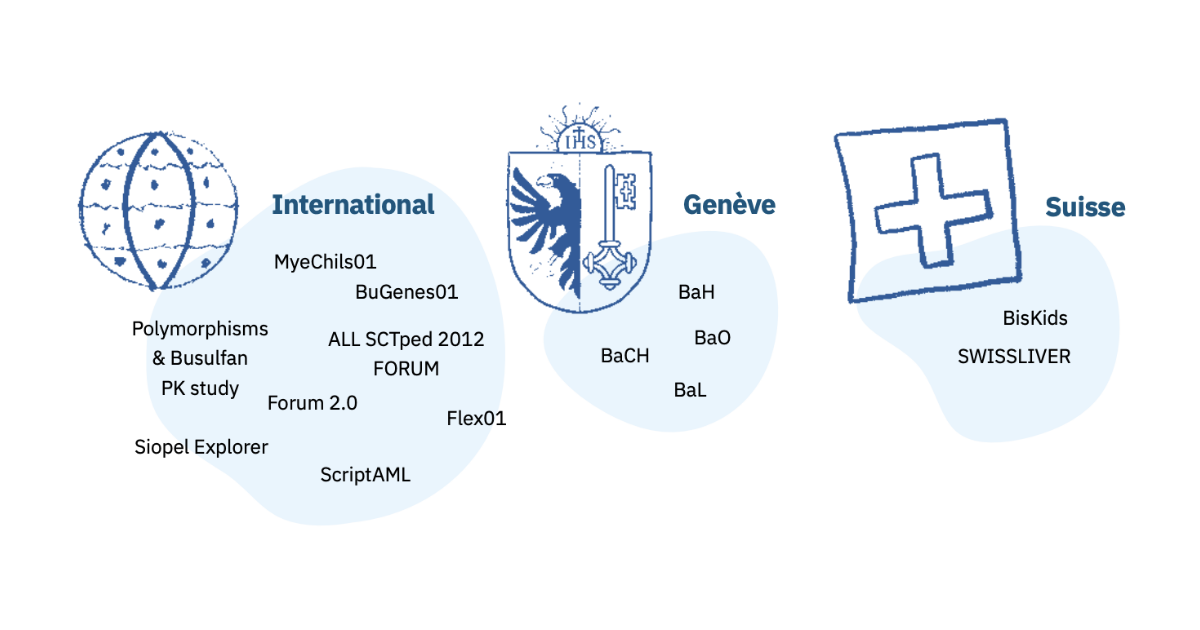
At the national level, this project aims to create Switzerland's first pediatric biobank. Based in Geneva but designed for both local and national use, BISKIDS was established in 2018 to preserve the germline DNA of childhood cancer survivors (approximately 7,000 people to date). The biobank will also be able to accept samples from abroad to expand research opportunities. This infrastructure will be made available to the entire scientific community and will serve as a major catalyst for new breakthroughs in the understanding and treatment of pediatric cancers. To develop the national BISKIDS component, the Research Platform is collaborating with the Swiss Childhood Cancer Registry and the Institute of Social and Preventive Medicine (ISPM) in Bern.
BioLink The national sample collection is part of a broader and more ambitious project called BioLink. Initially supported by the Swiss National Science Foundation (SNSF), this project aims to link germline and somatic samples with corresponding clinical data managed by the Swiss Childhood Cancer Registry. Internationally, BioLink provides real added value by connecting the BaHOP biobank in Geneva and the SPHO (Swiss Pediatric Hematology Oncology Biobank) in Zurich with the CCRG (Childhood Cancer Research Group) at the ISPM, improving research into long-term consequences, including treatment-related toxicities. This project lays the foundation for a networked, unique Swiss pediatric biobanking platform, integrating clinical data from the Swiss Childhood Cancer Registry with detailed genetic profiles of tumors and germline DNA. This facilitates the study of the genetic and environmental causes of childhood cancer. Inspired by successful models in Australia and New Zealand, BioLink helps generate a high-quality, clinically annotated resource and stimulates national pediatric research while strengthening international collaborations. By overcoming institutional barriers, it provides a solid foundation for Swiss pediatric cancer research to reach an international level.


